Look at the surface
Check for loose paint, old adhesive, rough patches, moisture, or damage that may need attention first.
A wallcovering for the room you have in mind
From a single accent wall to a larger installation, the material and the wall both shape the work. Tell us what you are considering and we’ll talk through a sensible next step.
Serving Westwood and communities throughout Bergen County, NJ.
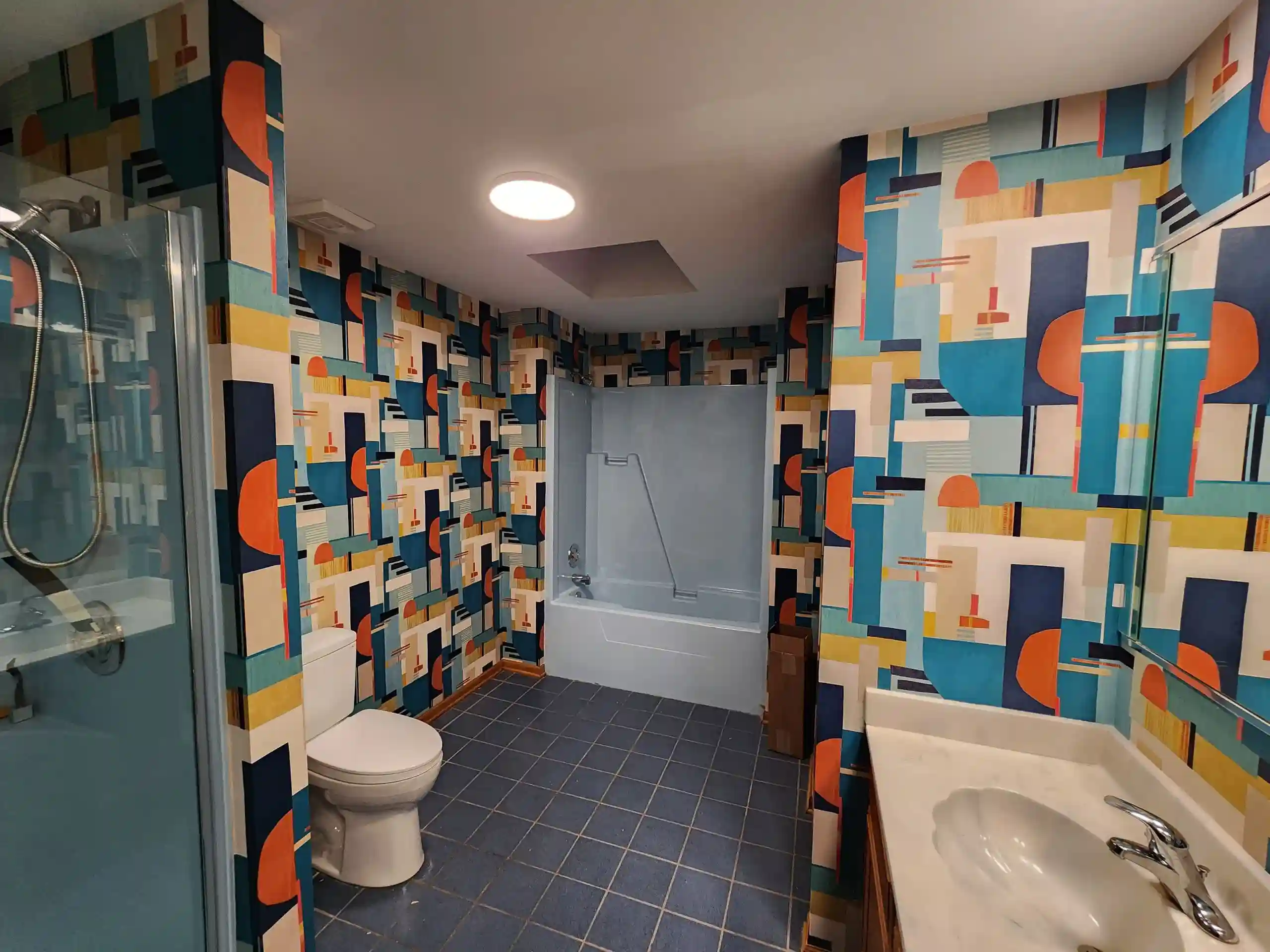
Choose a starting point
The list below covers the confirmed services. Some projects combine more than one—for example, removing old paper and preparing the wall before new wallpaper is installed.
Traditional & patterned wallpaper
A roll with a bold repeat, a delicate print, or a subtle texture all asks something different of the wall. Before installation, it helps to know how the paper is designed to be hung and whether its repeat is random, straight across, or offset.
Pattern layout can affect where a first strip begins and how much material is needed. Walls should be assessed for smoothness and soundness because imperfections can show through the finished surface. Product and adhesive instructions matter too; not every paper uses the same method.
From an accent wall to several connected walls, call to discuss the space and the wallpaper you have in mind.
How a project is discussedPattern, surface, and placement all influence how each strip comes together.
Take a clear look at what is underneath
Older wallcoverings can come away in different ways. The backing, adhesive, age of the paper, and the condition of the wall beneath it can all affect the removal approach. Once the paper is down, remaining adhesive or small surface irregularities may need to be addressed before another finish is considered.
Removing wallpaper is often its own project, but it can also be part of getting a wall ready for a new design. If you are not sure what is on the wall, describe what you can see when you call.
Read about wall preparation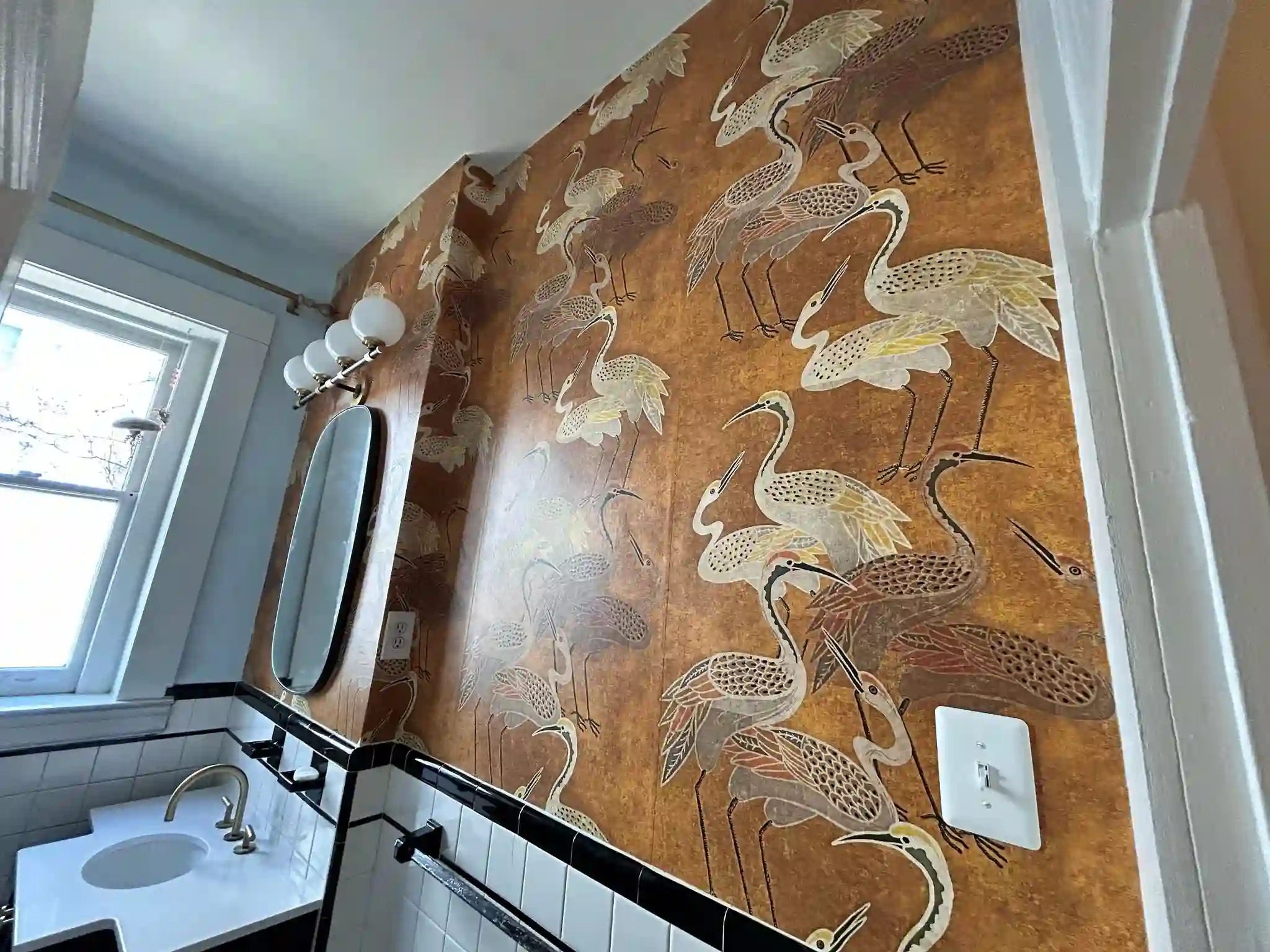
Peel-and-stick wallpaper
Peel-and-stick wallpaper is installed differently from pasted paper, and product directions vary. Many products call for a clean, smooth, dry surface; paint may need to cure fully before application. Texture, sheen, surface contaminants, and room conditions can influence how an adhesive product performs.
If you have a particular product in mind, its installation instructions are a useful starting point. Surface condition and adhesive directions should be considered together.
Compare material considerations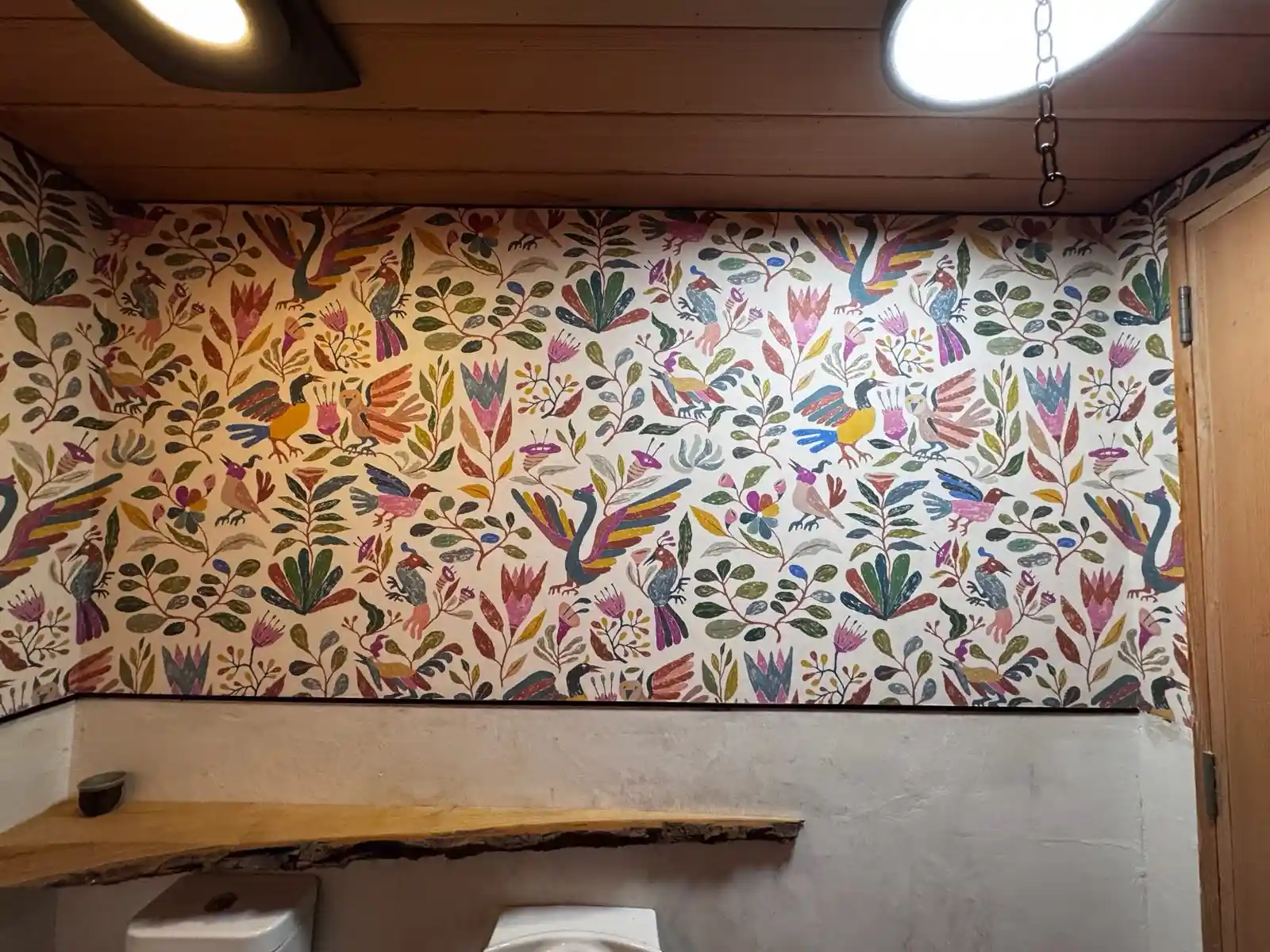
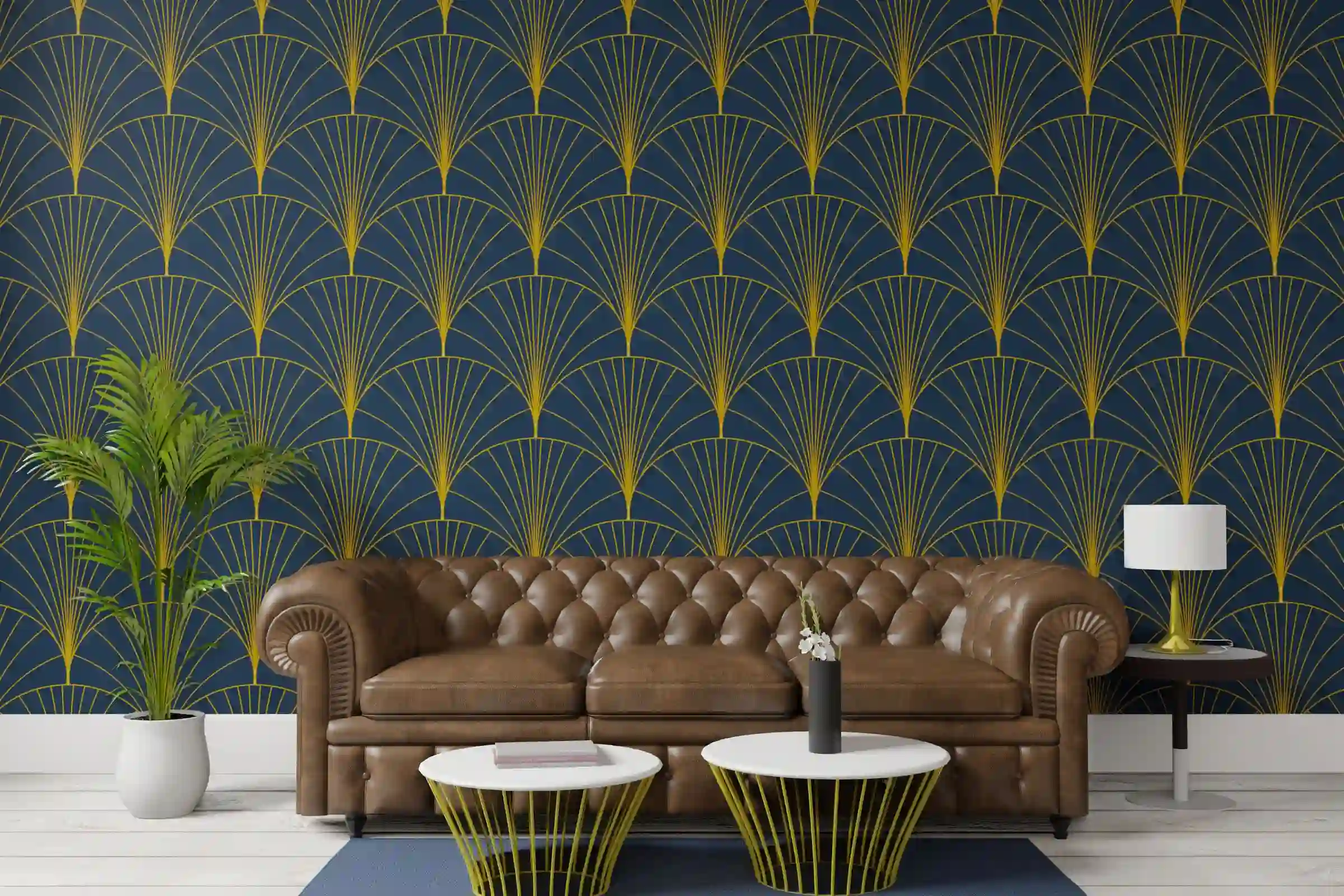
For work and public-facing spaces
Wallcoverings can help define an entry, meeting room, retail interior, or hospitality setting. In a commercial space, it is useful to discuss how the room is used, the area to be covered, the selected material, and any access considerations before deciding on the scope.
Call with whatever you know so far. We can talk through the project and identify the information that may help with an estimate.
Discuss a commercial projectThe foundation beneath the pattern
A wallcovering may make small surface issues more visible, not less. Preparation can involve cleaning, letting a surface dry, correcting irregularities, and using a suitable primer where the product calls for one. The proper treatment depends on the existing finish and the new material.
Check for loose paint, old adhesive, rough patches, moisture, or damage that may need attention first.
Use the wallpaper maker’s guidance for primer, adhesive, curing time, and surfaces that are not recommended.
Large-format designs and specialty wallcoverings can call for product-specific layout and handling. Share the material name if you know it; we can discuss the installation directly.
The right details can wait until we talk
Call to talk about the room, or send a short inquiry with the details you already have.